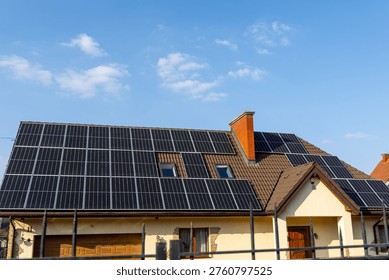
The roof over our heads serves as the first and most critical protective envelope safeguarding a residence from wind, rain, extreme temperature swings, and outdoor debris. In an era marked by shifting environmental patterns and rising household utility expenses, visionary homeowners are recognizing that the rooftop should serve as both an unyielding barrier against the weather and an active producer of clean renewable power. Integrating advanced roofing materials directly with solar photovoltaic installations represents the pinnacle of residential energy modernization.
A successful solar installation must always begin with an uncompromising assessment of the underlying structural deck. Installing heavy solar arrays atop aging shingles or deteriorated rafter supports creates long-term structural vulnerabilities that inevitably demand costly disassembly when premature leaks manifest. By synchronizing roof surface restoration with solar bracket placement, technicians ensure flashing points, waterproof membrane layers, and fastening points are sealed with durable elastomeric compounds that preserve integrity through torrential coastal downpours.
Reflective architectural shingle and standing-seam metal systems provide extraordinary thermal advantages before electrical equipment is even engaged. These modern materials are treated with specialized ceramic granules designed to bounce ultraviolet radiation back into the atmosphere rather than absorbing thermal energy into the attic airspace. Consequently, attic temperatures remain noticeably cooler during scorching summer afternoons, significantly alleviating the operating strain placed on centralized air conditioning systems.
Complementing high-performance exterior roofing with continuous ventilation channels prevents moisture entrapment and interior condensation cycles. Soffit-to-ridge passive airflow sweeps away hot air pockets that otherwise deteriorate structural timber decking over time. When combined with dense non-combustible attic insulation batts, this convective buffer preserves uniform temperatures across the roofline, eliminating cold drafts in the winter and stifling heat waves during peak summer months.
Photovoltaic panels installed on reinforced mounts offer an added layer of physical shielding against harsh elements. By absorbing direct sunlight and deflecting hail, snow loads, and driving rain, panels actually protect the underlying shingles from prolonged solar degradation and photo-oxidation. The shade generated beneath the array creates an insulated microclimate above the roof deck that further minimizes thermal transfer into the upper living floors of the residence.
Smart energy monitoring software completes the modern solar roofing ecosystem, providing homeowners with clear visibility into their real-time power harvest and domestic consumption patterns. Household occupants can observe energy generation across sunny periods and coordinate high-demand appliances—such as water heaters, laundry machinery, and vehicle charging systems—to capitalize directly on clean daytime sunshine rather than relying on grid power.
Warranty alignment between roofing membranes and solar components is another paramount consideration for wise property owners. When separate contractors handle the roof and the solar panels independently, disputes frequently arise concerning which entity bears responsibility for structural perforations. Unifying both disciplines under a single knowledgeable provider guarantees seamless warranty protection, dependable maintenance protocols, and peace of mind over the full lifespan of the installation.
Investing in integrated solar roofing represents a forward-thinking commitment to sustainable self-sufficiency and lasting property value. By transforming an underutilized overhead surface into a resilient, clean power generator, homeowners gain greater protection from volatile energy costs while actively fostering a cleaner, healthier future for their local communities.